 onevilx

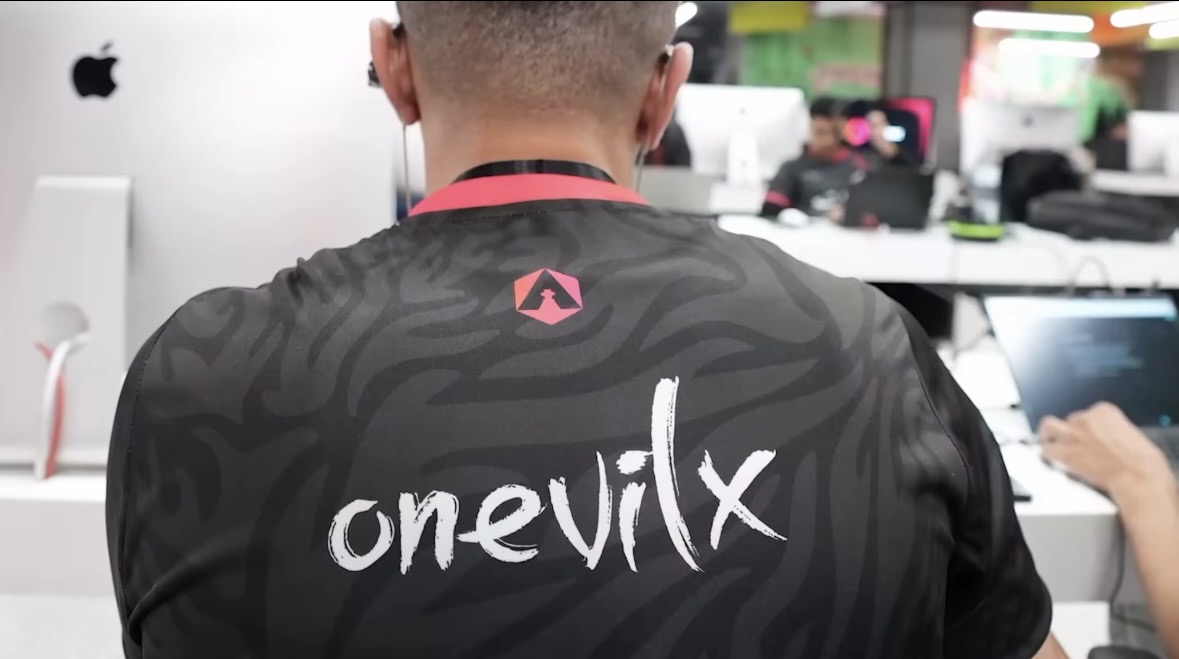
Event: Cyber Odyssey (3rd Edition) — Moroccan National Cybersecurity Championship & Symposium
Dates: December 3–7, 2025
Location: 1337 Coding School Campus, Khouribga (42 Network)
Team: House Stark (Student Division)
Organizers: Akasec Cybersecurity Club × 1337 Future Is Now
Official Web Portal: cyberodyssey.akasec.ma
CTF Writeups Repository: onevilx/Writeups
1. The Proving Grounds at 1337 Khouribga
Every December, the quiet industrial town of Khouribga transforms into the operational epicenter of North Africa’s cybersecurity community. Hosted inside the innovative labs of 1337 School (42 Network) and organized by the passionate students of the Akasec Cybersecurity Club, the 3rd edition of Cyber Odyssey stands as Morocco’s most ambitious offensive security tournament and symposium—designed entirely by hackers, for hackers.
Unlike traditional corporate security conferences where attendees passively sit through commercial product demos, Cyber Odyssey is engineered around technical rigor, open collaboration, and real-world operational execution. For five intense days, 1337 opens its dormitories, cafeterias, and high-performance labs to over five hundred attendees from across Morocco.
The gathering bridges the gap between different tiers of the offensive ecosystem, uniting elite university engineering qualifiers, competitive national CTF teams, corporate security architectures, and independent full-time bug bounty researchers under one roof. Whether debating binary analysis techniques over early-morning coffee breaks in the hallways or debugging memory exploits at 3:00 AM, the entire campus pulses with an energy rooted in intellectual curiosity and technical mastery.
2. Inside the Arena: Competing with House Stark
The centerpiece of Cyber Odyssey is its legendary dual-tier competition architecture. While newcomers and hobbyists tested their foundational skills in an open beginner-friendly CTF designed for accessible learning, the main arena floor was reserved for the National Championship Finals—an exclusive, invite-only battleground where Morocco’s top qualifying teams went head-to-head in complex, real-world simulated environments.
I had the honor of competing in the Student Division Finals alongside my dedicated team, House Stark.
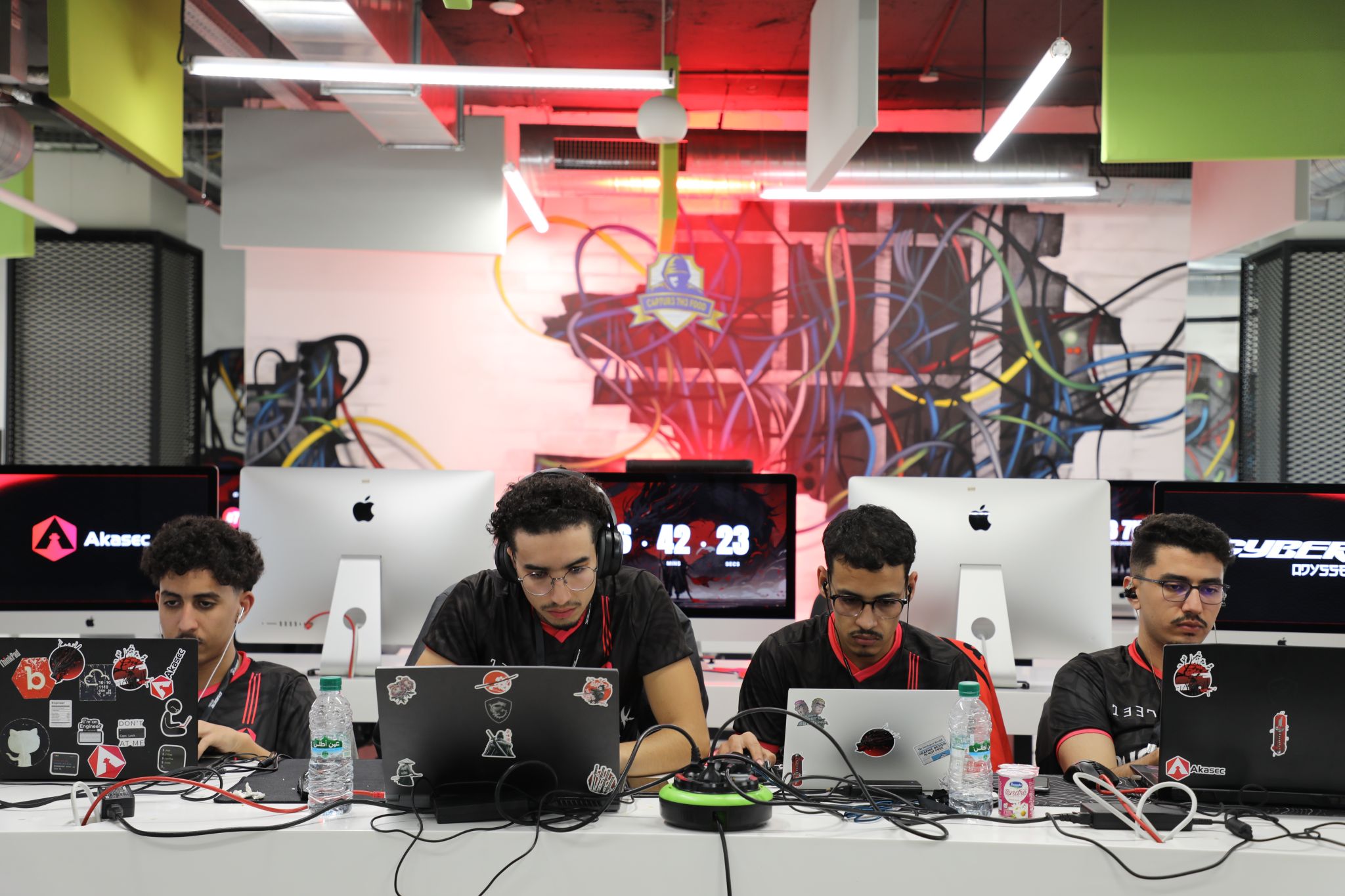
Stepping onto the main arena floor felt like stepping straight into a mission-critical Security Operations Center under active cyber assault. Rows of triple-monitor Mac workstations filled the labs, surrounded by glowing ambient neon lighting, energetic operator tables, and real-time electronic scoreboards dynamically tracking flag submissions, infrastructure breaches, and service downtime across the subnet.
What makes competing inside 1337 truly unforgettable isn’t just the sheer difficulty of the target architecture—it’s locking in with your trusted squad while surrounded by hundreds of driven hackers pushing their absolute limits. When the countdown timer is burning down during an all-night endurance tournament, individual rivalries fade away into intense collaborative teamwork. Our team table turned into an active vulnerability research war room:
- Binary Instrumentation & Low-Level Exploitation: Tearing apart stripped firmware ROMs, mapping out memory layout inconsistencies to build clean ROP chains, and bypassing anti-debugging checks inside custom cryptographic virtual machines.
- Modern Web Architecture & Enterprise Logic: Uncovering deep business logic bypasses, weaponizing TOCTOU race conditions across distributed cloud microservices, and exploiting obscure parser discrepancies inside simulated Fortune 500 web infrastructures.
- Forensics, Crypto & Network Telemetry: Investigating heavily layered packet captures, breaking non-standard cryptographic padding paradigms, and reconstructing orphaned blob hierarchies out of damaged Git object databases.
3. Industry Speakers & Technical Symposium
Beyond the live fires of the CTF arena, the symposium stage inside the 1337 Mediatheque auditorium delivered an extraordinary lineup of masterclasses and keynote addresses. Rather than generic high-level overviews, the educational talks dived straight into production implementations, modern offensive tooling pipelines, and hardened enterprise defense strategies.
The official keynote faculty brought together recognized technical authorities across banking SecOps, penetration testing leadership, software systems engineering, and full-time bug bounty platforms:
- Mohammed Benhmammouch — Head of IT Security Operations @ Attijariwafa bank
- Mohamed Boutaleb — Offensive Security Team Lead @ Nearsecure
- Mouad Abid — Security Researcher, Reverse & Software Engineer
- Mahmoud Bettouch — Cybersecurity Engineer
- Abdelmalek El Mellouki — Senior Software Engineer @ Fueled
- Rachid Balla — Entrepreneur & Startups Programs Expert
- Soufiane El Habti — Ethical Hacker & Cybersecurity Researcher
- El Mehdi — Bug Bounty Hunter
The technical lectures offered deep practical resonance for operational engineers and competitive hackers alike. High-impact keynote sessions featured on stage included:
- “Securing Tomorrow: Our SecOps Journey and Vision”: A gritty, real-world dive into modern defensive architectures and threat intelligence pipelines designed to protect national banking infrastructure against persistent state-sponsored intrusions and automated ransomware cartels.
- “From Capture the Flag to Capture the Market: The Shift from CTF Mindset to Builder Mindset”: A compelling exploration of how offensive security researchers can transition their unique exploit-discovery instincts into launching robust cybersecurity startups, engineering innovative security tools, and driving market architecture.
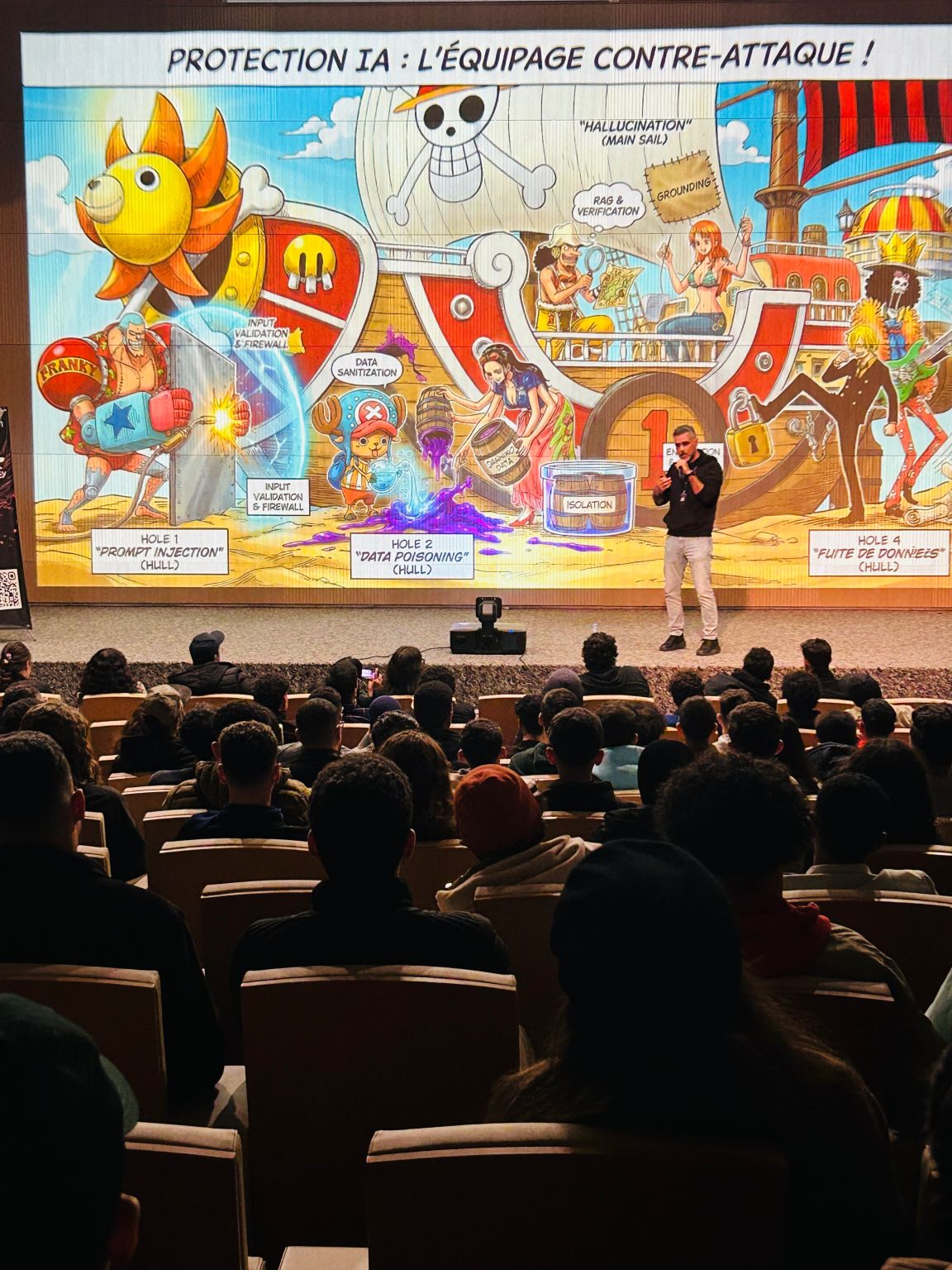
- AI & LLM Threat Defenses in the Enterprise (“Protection IA : L’Équipage Contre-Attaque !”): Breaking down practical adversarial attacks against Large Language Models, including multi-turn prompt injection payloads, model data poisoning during unsupervised training cycles, and strict input validation across Retrieval-Augmented Generation (RAG) endpoints.
- Red Teaming Techniques & Continuous Bug Hunting Pipelines: How full-time bug bounty hunters and Red Team operators architect automated reconnaissance monitoring, custom wordlists, and anomaly detection scripts to uncover high-impact zero-day logic flaws across extensive enterprise attack surfaces.
4. House Stark Camaraderie & Community Pulse
When looking back at the 3rd edition of Cyber Odyssey, what resonates longest aren’t just the leaderboards, the complex exploit scripts, or the significant prize pools—it is the unmatched camaraderie and mutual respect that binds Morocco’s native cybersecurity ecosystem together.
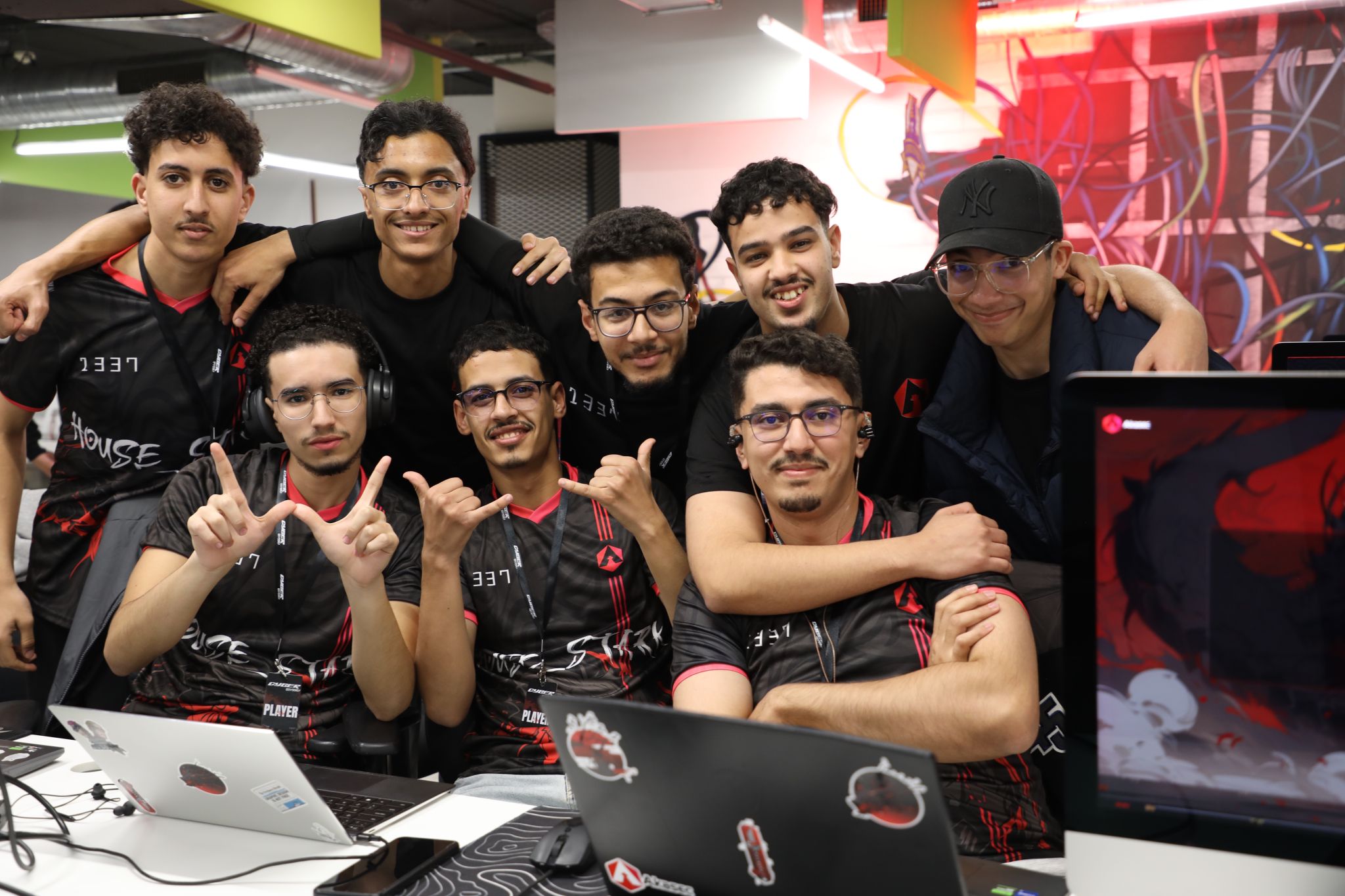
Standing shoulder-to-shoulder with my House Stark teammates through hours of grueling analysis and debugging reinforced a core tenet of computer systems security: offensive proficiency is fundamentally multiplied through cohesive communication, shared technical intuition, and unwavering trust under pressure. No hacker operates in a vacuum; the fastest breakthroughs always emerge when teammates debate hypothesis after hypothesis over open terminal screens.
The seamless convergence between 1337 School’s peer-to-peer practical pedagogy and Akasec’s open hacker community initiatives has quietly built a formidable pipeline of engineering talent. Young operators who first learn terminal commands inside these coding bootcamps go on to dominate global bug bounty leaderboards on platforms like Intigriti and secure top finishes in international Capture the Flag arenas.
When the dust settled inside the Khouribga labs and the closing ceremony wrapped up in the Mediatheque, House Stark walked out with much more than competitive ranking points—we carried away field-tested hacking methodologies, lasting industry friendships, and a relentless drive to continue exploring, uncovering, and breaking complex digital architectures.
📂 Explore My CTF & Bug Bounty Repositories
All of my personal technical writeups, automated exploit scripts, custom reconnaissance tooling, and low-level C/C++ systems engineering codebases are actively documented and open-sourced across my GitHub repositories:
Special thanks and admiration to the entire Akasec organizing crew, keynote faculties, and 1337 School operational engineering staff for setting a truly world-class benchmark in national cybersecurity competitions.
